August 4, 2026
Preventive plumbing inspections offer a proactive strategy for preserving the integrity and function of your home's plumbing system. These inspections identify potential issues before they lead to costly repairs, thereby safeguarding property value and ensuring a healthy living environment. By prioritizing regular checks with local plumbers, homeowners avoid unexpected expenses, maintain efficient water flow, and promote long-term structural health.
Such examinations not only avert significant financial outlays but also preserve drinking water quality and proper sanitation. A minor issue left unchecked can rapidly transform into a major disaster, threatening your home's infrastructure. This article explores the essential facets of preventive plumbing inspections, their role in home maintenance, and why partnering with experienced local plumbers is a smart investment.
Understanding Preventive Plumbing Inspections
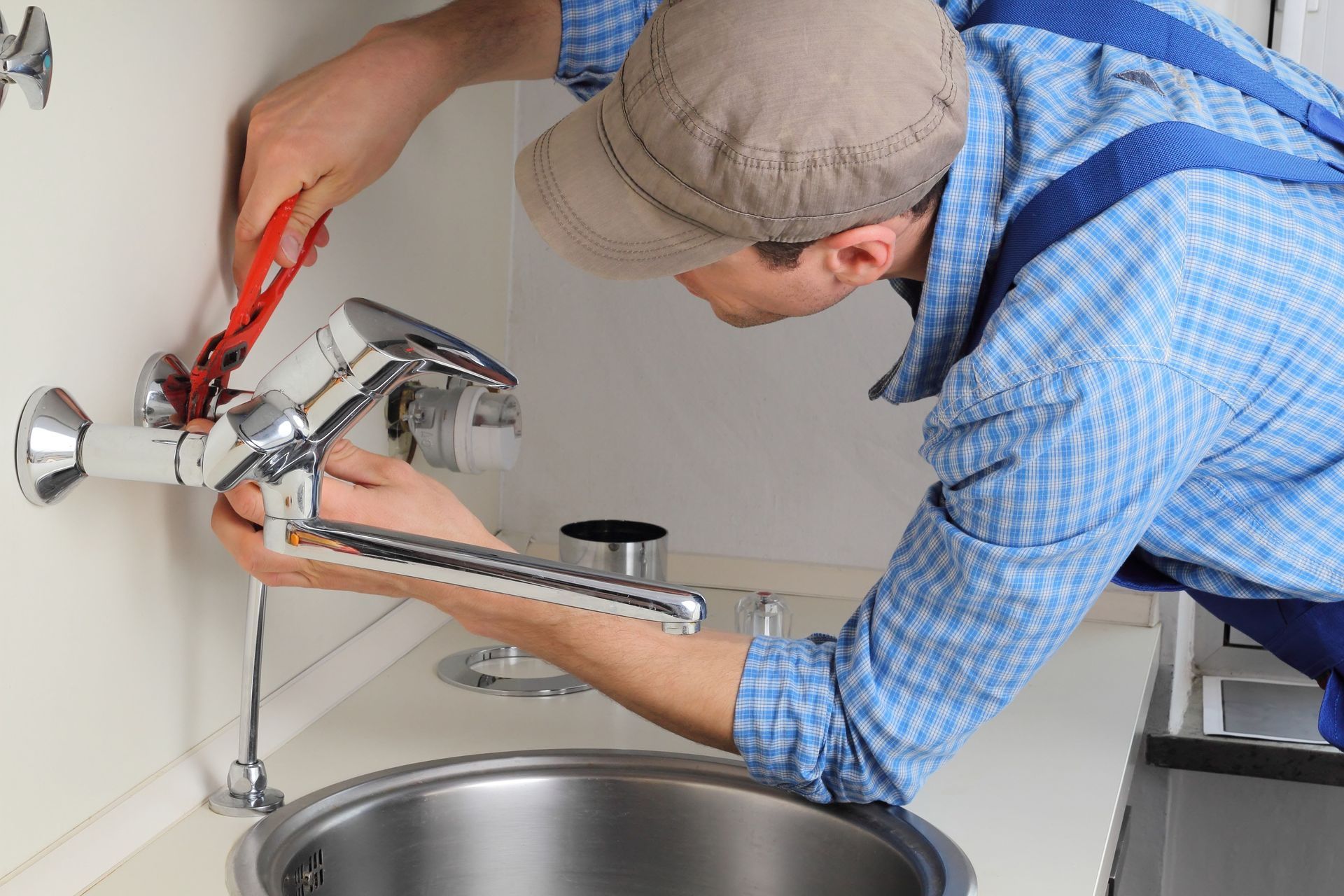
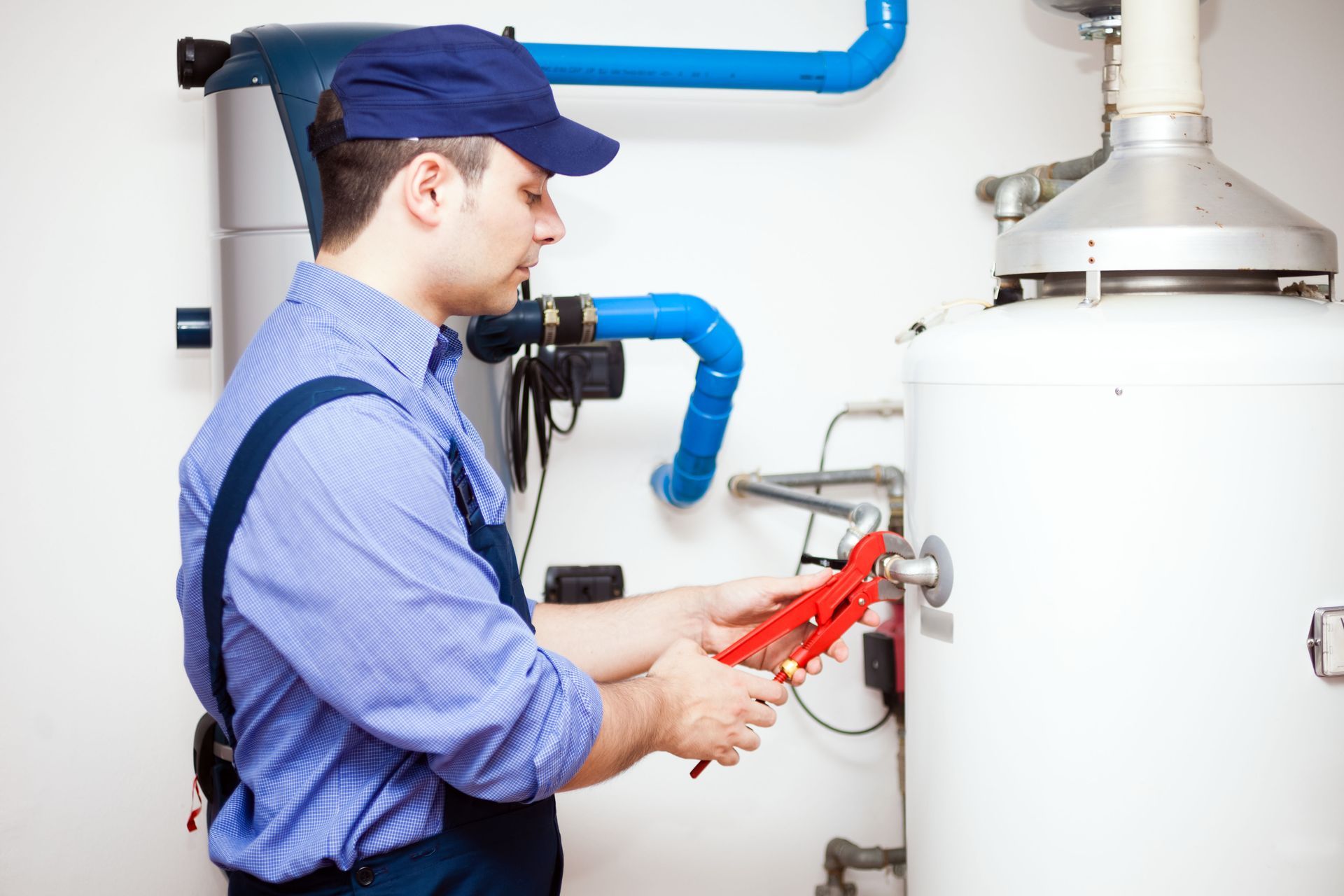
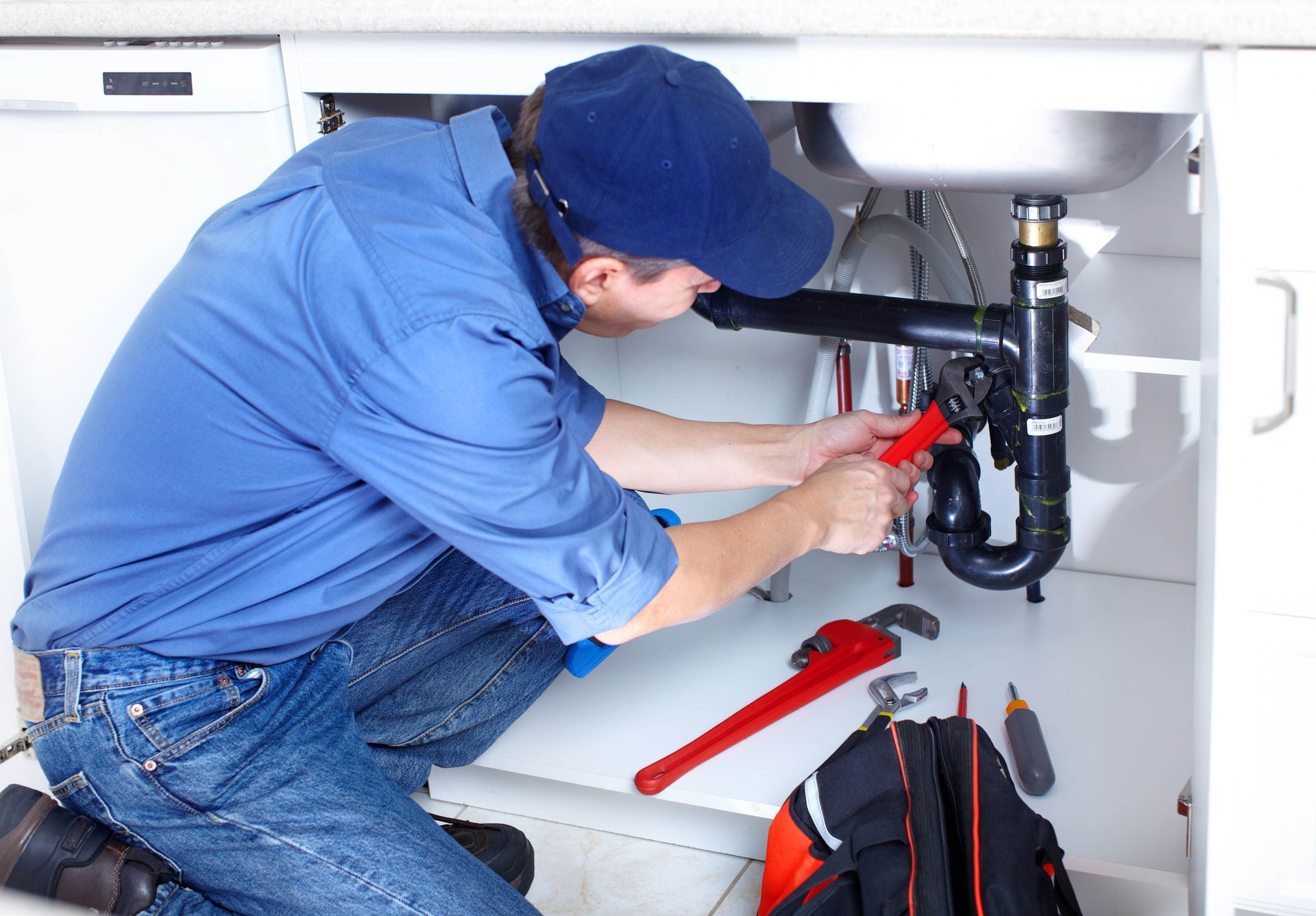
Preventive plumbing inspections involve a comprehensive evaluation of a home's plumbing system to detect minor vulnerabilities before they escalate into high-priced emergencies. Professional local plumbers examine key components, including supply lines, drains, fixtures, water heaters, and main sewer pipes. The goal is to identify hidden leaks, early corrosion, drainage slowdowns, and other structural concerns. Skilled technicians leverage their technical expertise alongside specialized diagnostic tools to ensure every accessible area is thoroughly assessed.
Establishing a regularly scheduled inspection routine is fundamental to effective long-term maintenance. According to This Old House, you should schedule an inspection with a plumber at least once a year. This annual check prevents the development of hidden flaws beneath floors or behind drywall. Staying ahead of potential disruptions protects property value and keeps daily operations running smoothly across every bathroom, kitchen, and utility space.
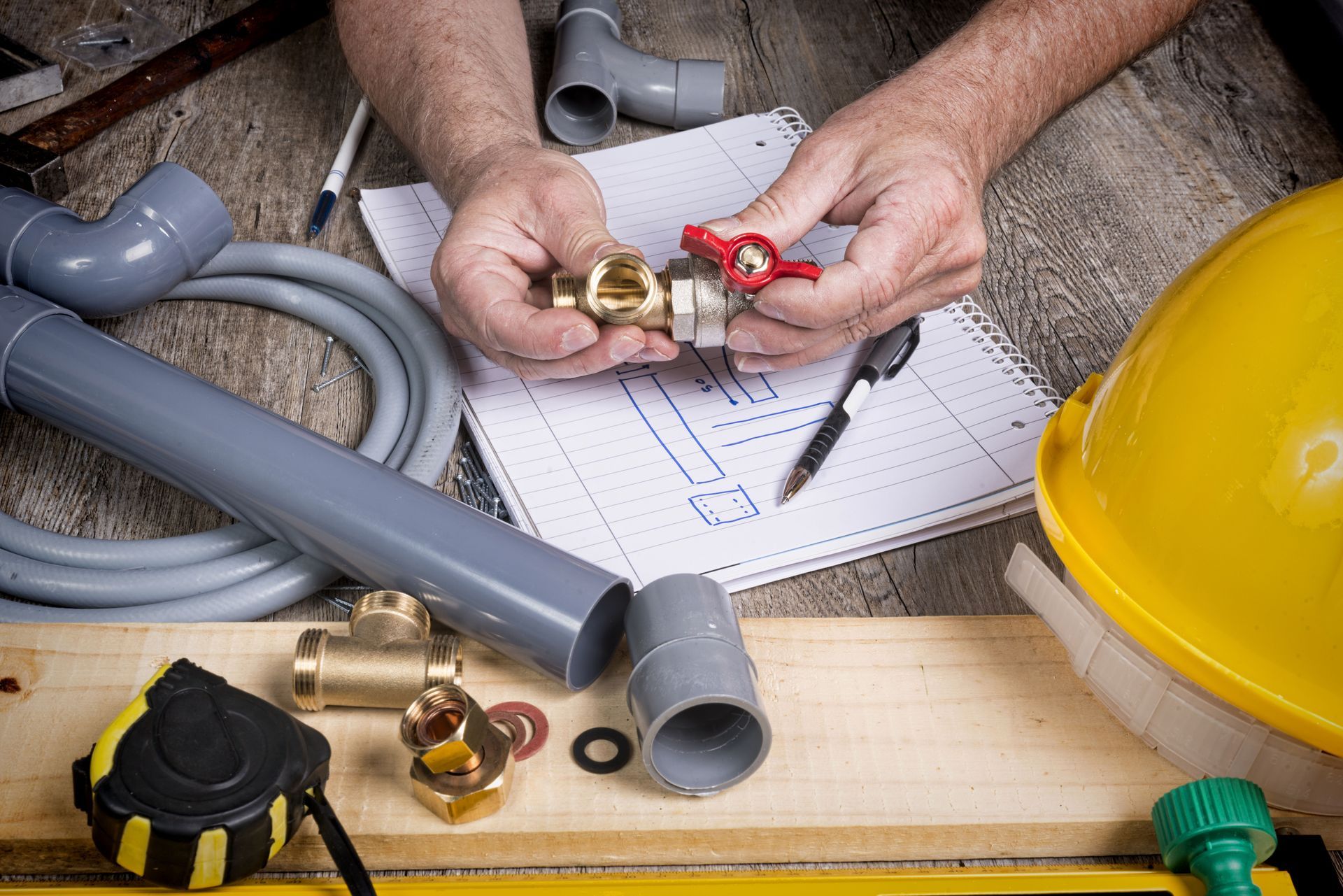
Modern licensed plumbers employ advanced diagnostic tools and non-invasive techniques to conduct accurate assessments without damaging your home. High-resolution video cameras attached to flexible cables enable visual evaluations of underground drain trunks and main sewer lines. Precision pressure gauges and electronic leak detectors locate subtle water leaks behind walls or under concrete slabs. Additionally, dye testing and hydrostatic pressure tests check for blockages and minor leaks within complex piping.
While preventive inspections and routine household maintenance both support system reliability, they differ in scope. Regular maintenance involves basic tasks like clearing drain strainers or replacing worn washers. In contrast, a preventive inspection focuses on detecting deeper, underlying structural issues that remain invisible during standard care. Hiring certified local plumbers ensures a thorough assessment that protects your home over time.
Identifying Hidden Leaks Early
Hidden water leaks pose a continuous threat to building materials, but subtle signs can alert vigilant homeowners early. An unexplained increase in your monthly water bill often serves as the primary indicator of an active leak. Other physical signs include random damp spots on floors or drywall, persistent musty odors, and sudden drops in water pressure. Homeowners should also watch for unexpected mold or mildew growth along baseboards, which indicates localized moisture from concealed pipes. Early detection via routine checks is essential to minimizing structural wood damage and costly property repairs.
Ignoring concealed leaks, even minor ones, inevitably leads to structural and financial headaches. Continuous moisture compromises timber framing, subflooring, and drywall, leading to sagging ceilings and rotted joists. Beyond structural damage, prolonged moisture creates an ideal environment for mold spores, which degrade indoor air quality and pose health risks. Additionally, thousands of gallons of wasted water from undetected leaks inflate monthly utility bills. Addressing leaks promptly with professional assistance saves homeowners from emergency situations and health hazards.
Ensuring Water Quality and Safety
Ensuring domestic water quality and family safety is a core benefit of preventive plumbing inspections, achieved by identifying hazardous pipe contaminants. Toxic materials such as lead, excessive iron, copper, and degraded chemical sealants can leach into drinking water from aging pipes. Left unchecked, these contaminants pose chronic health risks, including neurological and gastrointestinal issues. Professional local plumbers evaluate physical pipe conditions and test water purity to detect harmful substances early, safeguarding your family's health.
A home's plumbing system plays a vital role in maintaining clean water throughout the house. Beyond transporting water from municipal mains or private wells, internal pipes must keep tap water free from secondary contaminants. Severely clogged, scaled, or corroded pipes deteriorate water quality over time by harboring bacteria or allowing groundwater to enter through microscopic fissures. Regular preventive inspections ensure that pipes, valves, and fittings function at peak performance to preserve clean water.
Backflow represents a severe health hazard in residential plumbing, occurring when sudden pressure drops cause polluted water to flow backward into the clean drinking supply. This can introduce raw sewage, chemicals, or stagnant water into household taps. Preventive inspections involve functional checks and mechanical testing of backflow prevention devices. Ensuring these valves operate correctly maintains drinking water purity, protecting your household from dangerous contamination incidents.
Maintaining Efficient Water Flow
Maintaining efficient water flow is essential to daily home functionality, making clogged pipes a major source of frustration and damage. Heavy blockages in main drain lines cause wastewater to back up, leading to slow drainage, fixture overflows, and interior water damage. The gradual accumulation of hair, cooking grease, soap scum, and foreign objects is the primary cause of blocked drains. In kitchens, poured oils congeal along pipe walls, while bathroom drains trap hair and soap residue, choking off drainage routes over time.
During a preventive inspection, skilled local plumbers employ diagnostic tools to uncover hidden flow restrictions before total blockages occur. Inspectors use push-cameras to navigate drain lines, searching for sludge buildup, tree root intrusion, or sagging pipe segments. They also test static pressure and measure flow rates across multiple fixtures to identify pressure drops or pipe scaling. Diagnosing restrictions early allows homeowners to perform targeted drain cleaning or hydro-jetting, preventing messy plumbing emergencies.
Assessing the material and age of plumbing components is crucial to extending system lifespan. Older homes equipped with galvanized steel, lead, or cast-iron pipes are prone to corrosion, rust scaling, and joint failures over time. During an evaluation, certified local plumbers assess pipe age and wall thickness to gauge remaining service life. Timely recommendations for targeted repiping with durable modern materials, such as PEX or copper, prevent sudden pipe bursts and ensure a reliable infrastructure for decades.
Preventing Costly Emergency Repairs
The financial burden of emergency plumbing repairs can catch unprepared homeowners off guard. Industry data indicates that emergency repairs and subsequent restoration costs range from several hundred to thousands of dollars for severe flooding events. A single burst pipe or ruptured water heater tank causes extensive property damage within minutes. Regular preventive inspections act as an affordable safeguard, identifying physical wear and pressure vulnerabilities before failure occurs, helping homeowners avoid unexpected financial strain.
Common plumbing emergencies include burst frozen pipes, main sewer backups, and catastrophic water heater failures. These high-stress events cause immediate structural damage and introduce sanitary hazards to living spaces. Ruptured supply lines can flood living areas rapidly, destroying flooring, electrical systems, and personal belongings. Sewage backups introduce toxic blackwater into the home, creating immediate health risks. Through regular preventive inspections, these severe emergencies can be anticipated and avoided.
Establishing a routine schedule for preventive plumbing inspections is an essential investment for any homeowner seeking to maximize property safety, efficiency, and value. By identifying and repairing minor structural vulnerabilities early, these inspections preserve home framing, maintain pure water quality, and ensure daily convenience. Yearly inspections form the cornerstone of a proactive maintenance strategy that extends the lifespan of your entire utility system. To protect your home against unexpected leaks, water damage, and emergency repairs, contact Alan Ruane Plumbing Services today to schedule your comprehensive yearly plumbing inspection.